
Editor-in-Chief, The Hominid Post
Farzin Espahani
Farzin Espahani is the Editor-in-Chief of The Hominid Post, an independent publication about human behavior, evolutionary anthropology, human behavioral ecology, and cultural evolution.
About
His work connects evolutionary theory to real human life without treating biology as destiny. The Hominid Post looks at behavior through incentives, tradeoffs, ecology, institutions, cultural transmission, and human judgment. The goal is to explain why people behave the way they do while staying careful about what the evidence can and cannot prove.
Farzin's editorial approach is shaped by his academic background in biocultural anthropology, sociology, and social psychology, along with his professional experience in strategy, regulated markets, healthcare, insurance distribution, compliance-aware growth, and organizational behavior. That mix gives The Hominid Post a practical lens. Human behavior is never only biological, never only cultural, and rarely simple.
At The Hominid Post, Farzin writes and edits essays that ask better questions before reaching conclusions. Why do humans cooperate selectively? Why do groups form coalitions? Why do people fight over status, identity, territory, and belonging? Why do cultural systems preserve some behaviors and discard others? Why do ancient pressures still echo inside modern institutions?
The publication is grounded in evolutionary anthropology and human behavioral ecology, but it is written for readers outside the academy as well: curious citizens, students, founders, executives, operators, educators, and anyone interested in human nature without the usual noise.
The Hominid Post does not use evolutionary thinking to excuse behavior, moralize it, or reduce people to instincts. It uses evolutionary thinking as a disciplined way to examine constraints, incentives, variation, and context. Human beings are flexible, social, strategic, emotional, cooperative, competitive, and deeply shaped by culture.
Farzin's editorial standard is evidence first, interpretation second, speculation clearly labeled. Strong ideas are welcome. Loose claims are not. The publication favors careful explanations over fashionable certainty.
Areas of Focus
- —Human behavioral ecology
- —Evolutionary anthropology
- —Cultural evolution
- —Cooperation and reciprocity
- —Coalitions, alliances, and conflict
- —Kinship, parenting, and family systems
- —Status, reputation, and social trust
- —Mating, pair bonding, and life history theory
- —Human origins and deep time
- —Institutions, incentives, and modern behavior
Editorial Philosophy
The Hominid Post starts with behavior as a puzzle.
A human action may look irrational from the outside, but behavior usually makes more sense when viewed through ecology, incentives, constraints, and social context. People cooperate when cooperation pays. They compete when status, safety, resources, or identity are at stake. They imitate when social learning is cheaper than trial and error. They form coalitions because no human being survives alone for long.
Evolutionary thinking is useful when it makes behavior more understandable and testable. It becomes dangerous when it turns into a just-so story. The Hominid Post is built to stay on the useful side of that line.
About The Hominid Post
The Hominid Post publishes essays on human behavior, evolution, culture, cooperation, conflict, and the long arc of human history. The publication brings evolutionary anthropology into public conversation with clarity, caution, and respect for evidence.
The site is for readers who want more than slogans. It is for people who want to understand human nature without flattening it.
Explore more The Hominid Post essays on human cooperation, coalitions, cultural evolution, human conflict, kinship, mating, parenting, and the evolutionary roots of social behavior.
Articles by Farzin Espahani
The Edge of Admiration: Young Male Syndrome and the Limits of Risk as a Signal
Why daring earns status up to a point, and why the same behavior pushed further starts to read as a liability
September 30, 2026

The Song in Your Head: Why We Assume Other People Understand More Than They Do
We communicate from inside our own minds. Everyone else receives only the part we manage to send.
September 27, 2026

When Ideas Become Cheap: What AI Changes About Human Work
Artificial intelligence is lowering the cost of producing ideas and executing knowledge work. That gives people extraordinary new capacity, but it also changes what organizations need from people.
September 21, 2026
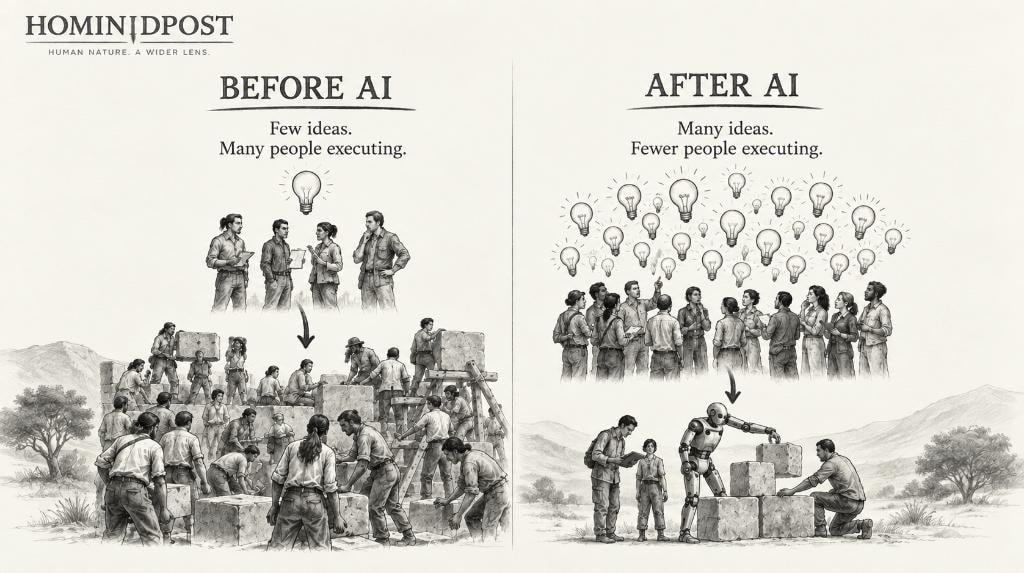
The Brain That Fools You at Night Is the Same One You Trust All Day
Descartes suspected the senses. Kahneman measured the damage. Evolution explains why neither finding should surprise us.
September 6, 2026
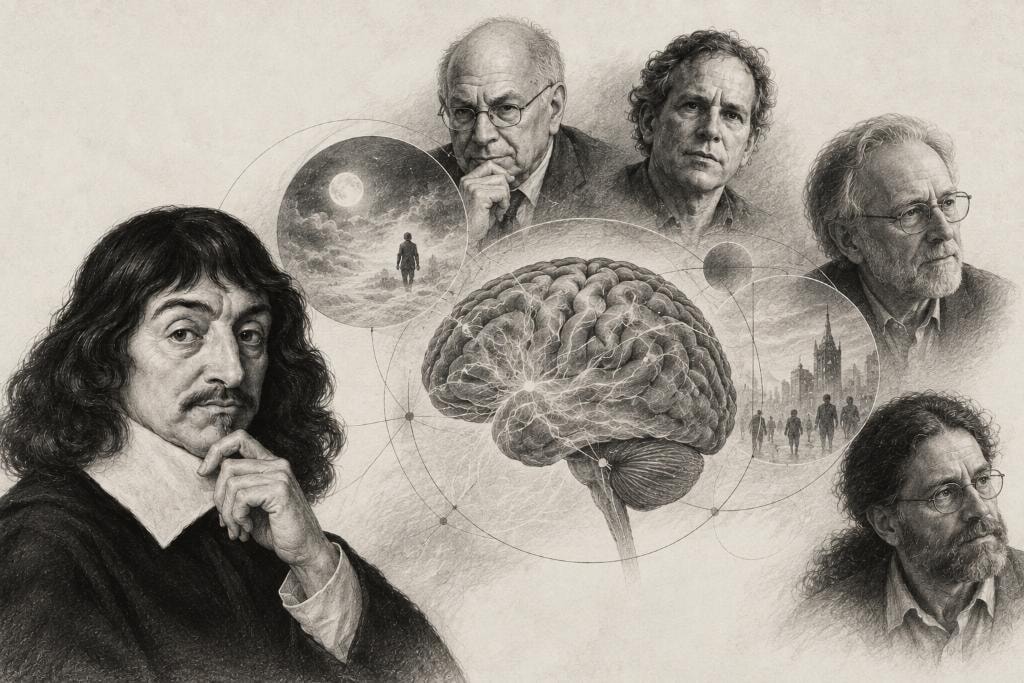
How Money Taught Strangers to Cooperate
Money changed human society by turning personal obligations into transferable claims, allowing people who did not know one another to exchange, specialize, and cooperate at unprecedented scale.
August 27, 2026
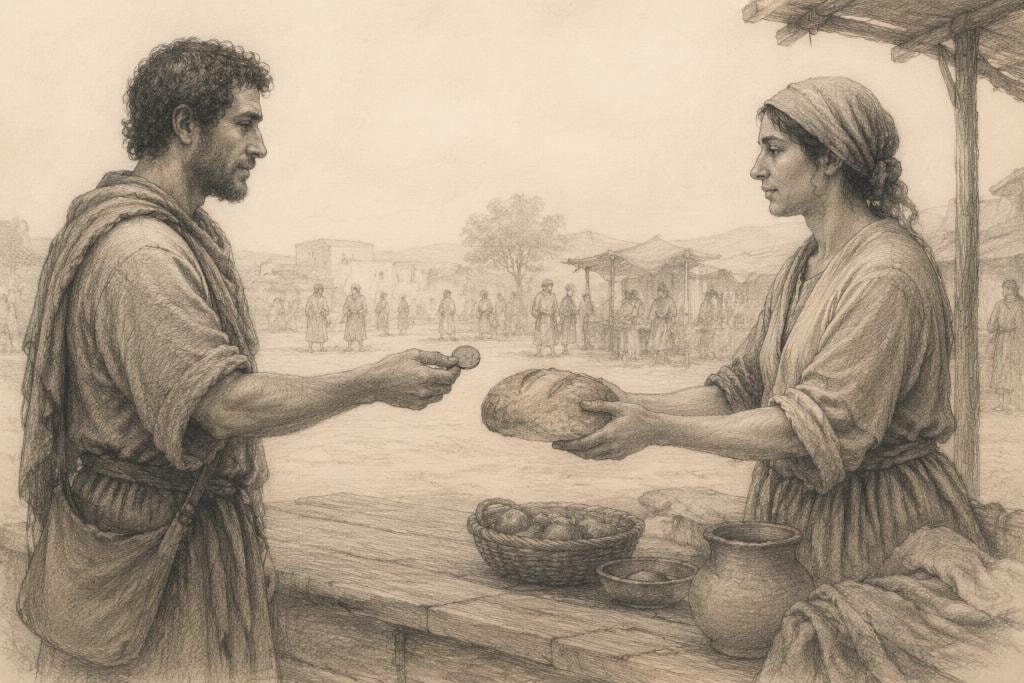
Stop Fixing Problems. Build the Ecosystem.
Why businesses organized around connected systems may outperform companies trapped in a cycle of patches, vendors, projects and emergency fixes.
August 24, 2026

Does Morality Have an Aesthetic Preference?
Perceived beauty predicts how much moral standing people grant an animal, even after danger and intelligence are accounted for. That finding raises a harder question about how humans build moral categories in the first place.
August 23, 2026

Who Owns Culture When Artificial Intelligence Learns From It?
Artificial intelligence can expand cultural access, but access without consent, attribution and fair participation may weaken the human systems that keep culture alive.
August 1, 2026
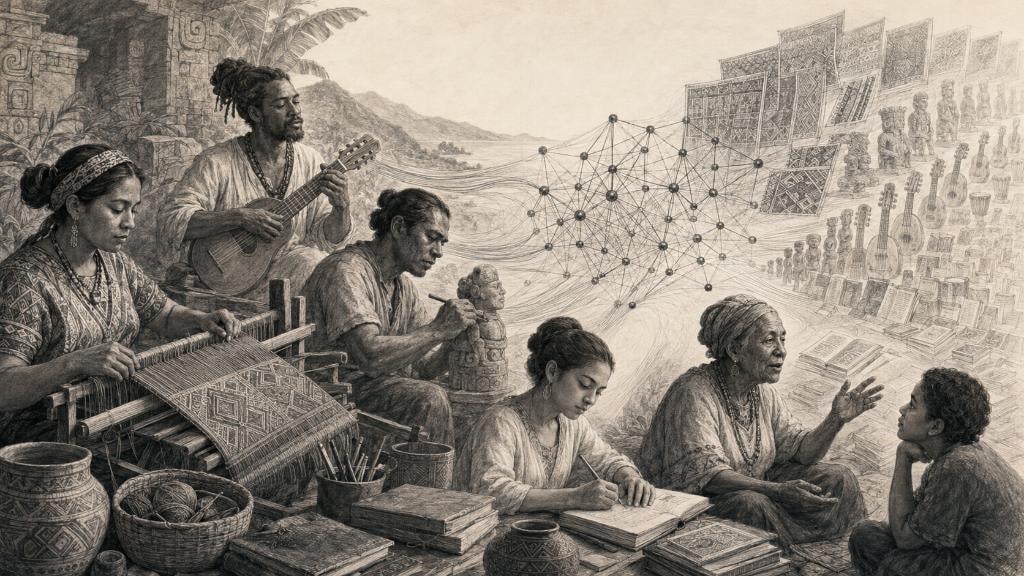
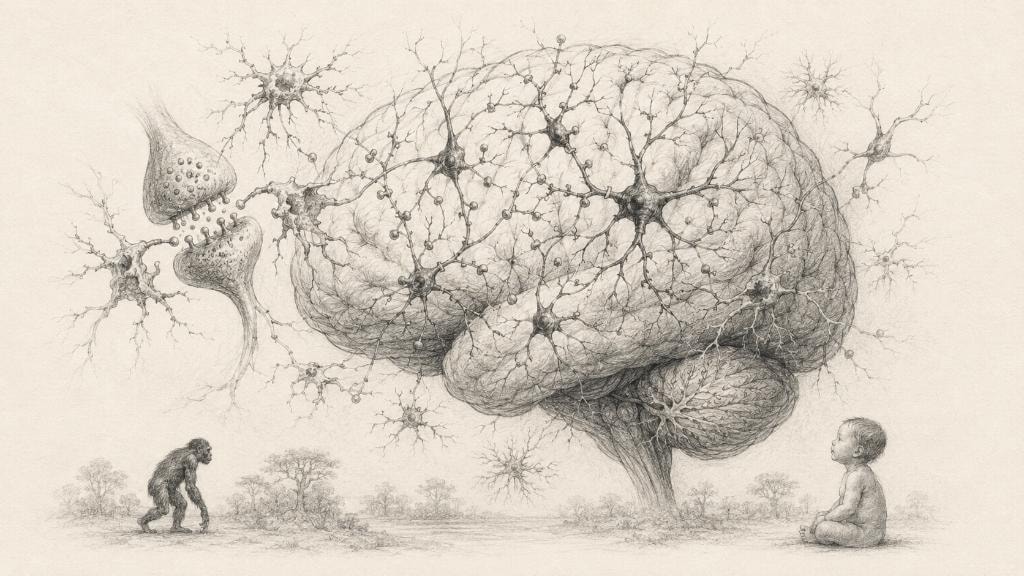
The Human Brain May Have Evolved by Slowing Down
Human cognitive flexibility may depend partly on keeping neurons—and the immune cells that shape their connections—immature for longer.
July 29, 2026
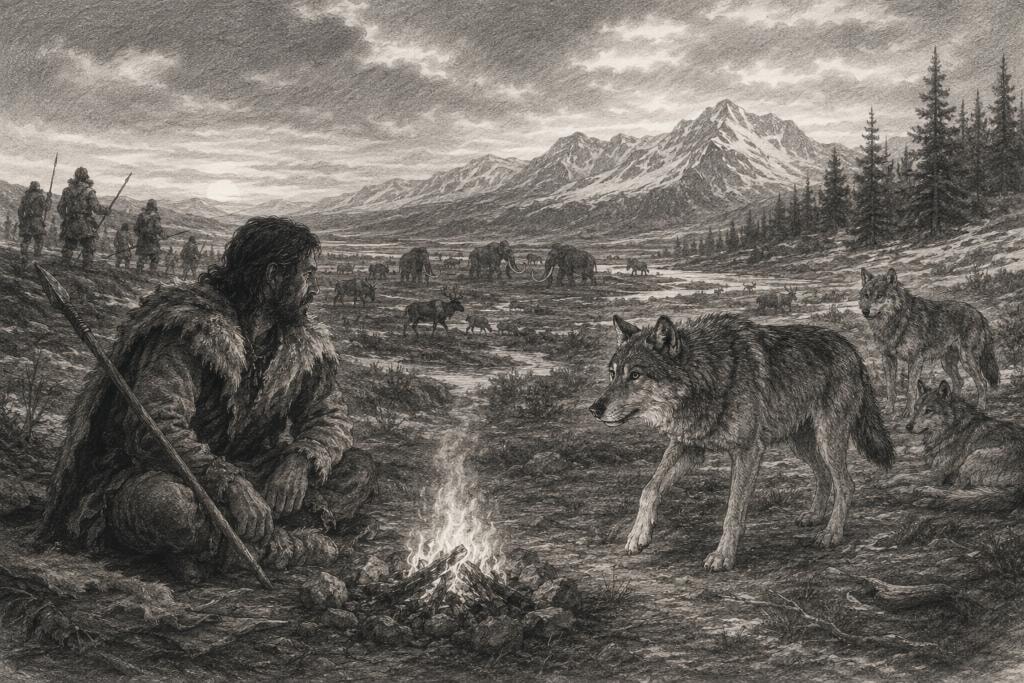
The First Alliance: How Humans and Wolves Learned to Live Together
Before dogs guarded homes or slept beside children, humans and wolves pursued the same prey across Ice Age Eurasia. Their relationship may have begun with competition, but changing ecological incentives gradually created the oldest enduring alliance between humans and another animal.
July 24, 2026
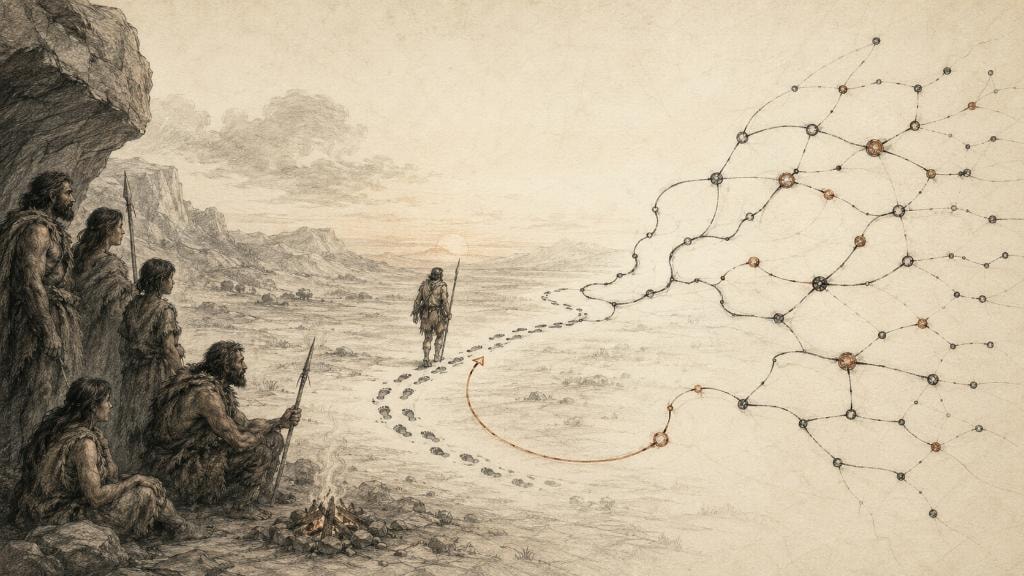
The Delegated Agent: Deep History Meets the Agentic Customer Experience
Handing consequential decisions to something you cannot fully watch is the oldest management problem our species has. Agentic artificial intelligence (AI) is a new occupant of a very old seat.
July 22, 2026
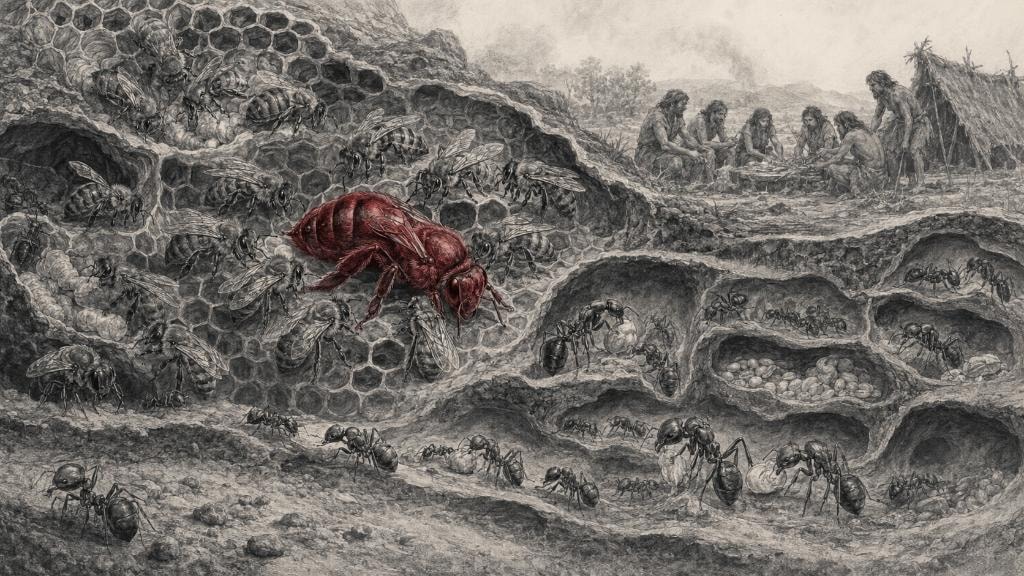
What Bees, Ants, and Humans Reveal About Cooperation
The Red Queen, sociobiology, and the uneasy balance between individual interest and collective survival.
July 19, 2026
From Fire to Artificial Intelligence: Why Every Major Technology Reorganizes Human Work
Human history is partly the history of transferring effort from muscles to tools, from memory to writing, from distance to machines, and now from portions of cognition to artificial intelligence.
July 17, 2026
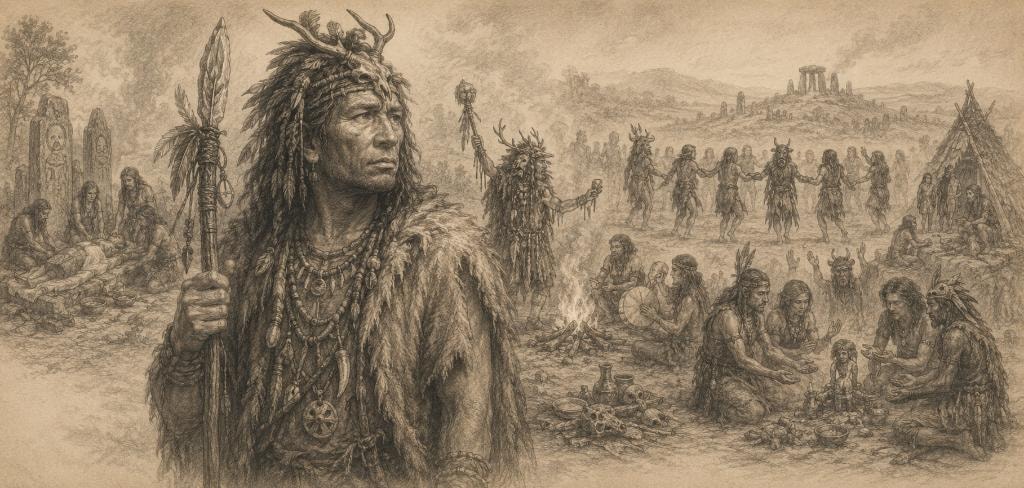
Why Humans Think About Death
How mortality awareness may have helped create afterlives, monuments, and larger cooperative groups
July 12, 2026
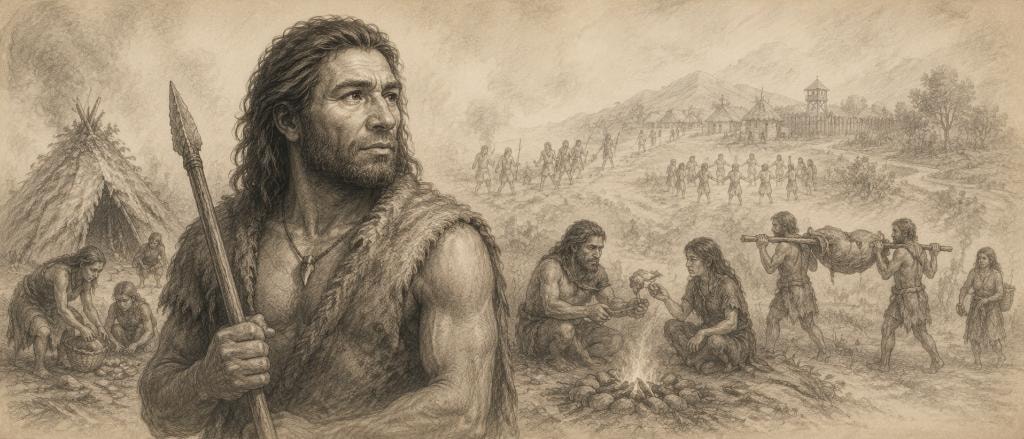
The Evolution of Human Cooperation
Why humans help, share, punish, and form groups
July 9, 2026
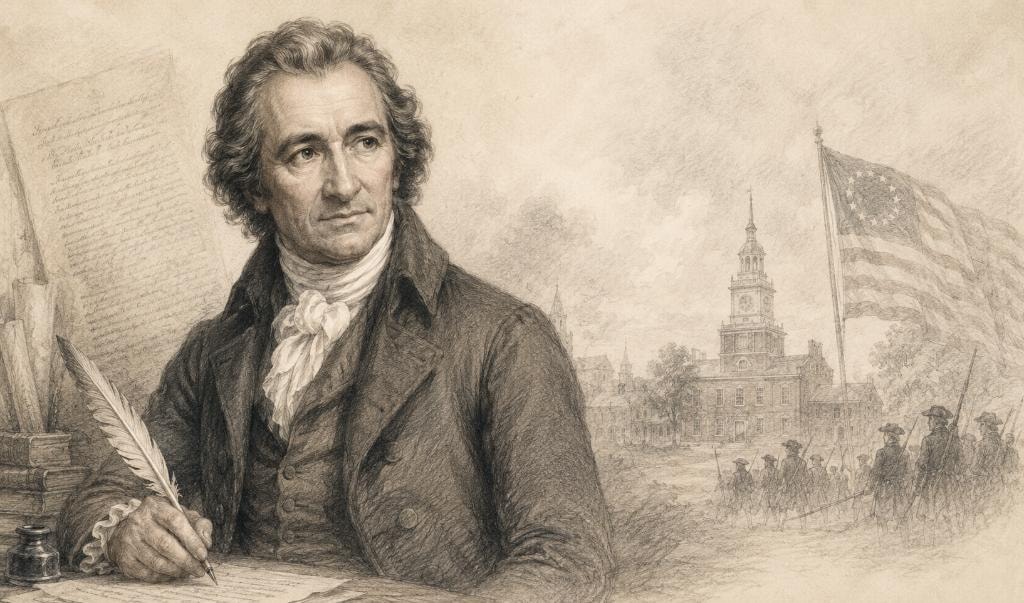
Common Sense and the Making of American Democracy
How a 47-page pamphlet changed the course of a revolution
June 19, 2026
Why Humans Believe Their Ideology Is Superior
The evolutionary and psychological roots of moral certainty
April 25, 2026
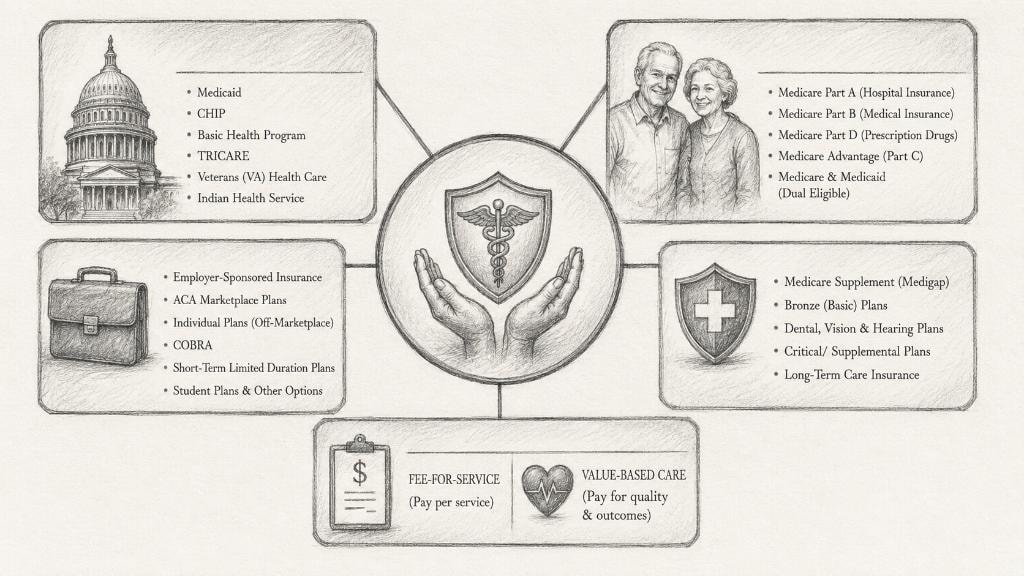
Available Health Insurance and Medical Coverage in the United States
A practical guide to the programs, plans, and gaps that define American healthcare
April 18, 2026
What Is an Adaptation?
How evolution builds traits that solve problems — and why the concept is harder than it looks
April 4, 2026
Hominid vs. Hominin vs. Homo sapiens: What's the Difference?
Sorting out the taxonomy that defines where humans fit in the tree of life
April 3, 2026

Is Medicare Advantage working, or are we grading the wrong test?
The program covers half of all Medicare enrollees — but the right question may not be the one we're asking
February 28, 2026
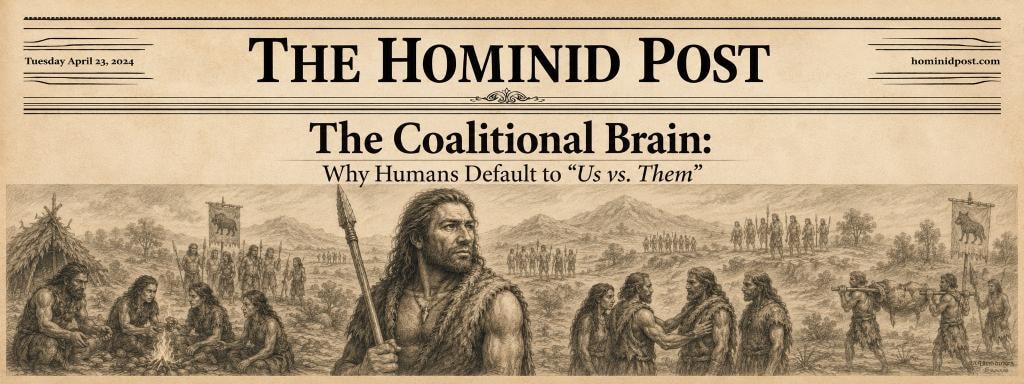
The Coalitional Brain: Why Humans Default to "Us vs. Them"
How the evolved logic of alliance and exclusion still shapes modern politics, identity, and conflict
February 16, 2026
Reimagining Healthcare Delivery: A Deep Dive into Value-Based Care vs. Fee-for-Service
Two payment models, two philosophies — and a system still deciding which future it wants
June 14, 2025

The Birth and Evolution of Insurance in Human Societies: An Evolutionary Perspective
From mutual aid in early human groups to trillion-dollar industries — risk pooling is older than civilization
May 4, 2025
The Ancient Science of Self-Repair: A Biological Anthropologist's Perspective on Fasting and Intermittent Fasting
What evolutionary biology reveals about why the body responds so powerfully to not eating
April 29, 2025

The Intersection of Sociobiology and Epigenetics: A Biocultural Anthropology Perspective
How genes and experience interact — and why the nature vs. nurture debate was always the wrong frame
April 12, 2025

The Quiet Depth of Leadership: Why the Best Leaders Influence, Reflect, and Endure
Leadership is not about dominance — it is about earning trust, reading people, and knowing when to hold back
March 29, 2025

Dual Inheritance Theory: Bridging Cultural and Biological Evolution in Human Development
Humans evolve through two inheritance systems — genes and culture — and each shapes the other
January 9, 2025

The Impact of Artificial Intelligence on Human Cultural and Biological Evolution: A Dual Inheritance Perspective
AI is not just a tool — it may be the most consequential cultural inheritance humans have ever produced
December 22, 2024

The Future of AI in Healthcare: Opportunities, Challenges, and Regulatory Considerations
Artificial intelligence is entering every layer of medicine — and the stakes for getting it right have never been higher
December 10, 2024

What Is a Hominid?
Understanding the family that includes humans, great apes, and our fossil ancestors
July 18, 2024

Why Leaders Say They Are Willing to Die for Their Country
The evolutionary logic of sacrificial rhetoric, political loyalty, and the difference between sharing danger and assigning it to others
February 14, 2024

Human Behavioral Ecology: Why Context Changes Behavior
People carry evolved capacities into different ecologies, institutions, and life histories. The resulting behavior is patterned, flexible, and often conditional.
2000-01-06
How Evolutionary Thinking Explains Human Behavior
A disciplined evolutionary explanation separates mechanisms from historical function, compares hypotheses, derives predictions, and treats culture and institutions as causal forces.
2000-01-05
From Sociobiology to Human Behavioral Ecology
The evolutionary study of social behavior moved from broad biological synthesis toward field-based models of how ecology, culture, and institutions change behavioral payoffs.
2000-01-04
Survival of the Fittest Does Not Mean Survival of the Strongest
Evolutionary fitness concerns relative reproductive contribution under particular conditions. Strength is only one possible route, and often an expensive one.
2000-01-03
Natural Selection Explained
Natural selection is a population process: heritable differences produce unequal reproductive outcomes under particular environmental conditions.
2000-01-02
Who Really Developed the Theory of Evolution?
Darwin and Wallace supplied the mechanism of natural selection, but evolutionary theory was built from a much longer chain of observation, argument, and correction.
2000-01-01
Frequently Asked Questions
Who is Farzin Espahani?
Farzin Espahani is the Editor-in-Chief of HominidPost, where he writes and edits essays on human behavioral ecology, evolutionary anthropology, cultural evolution, cooperation, kinship, status, conflict, and human behavior.
What is HominidPost?
HominidPost is a publication focused on human behavior, evolutionary anthropology, cultural evolution, cooperation, conflict, kinship, mating, parenting, status, and the deep history of human social life.
What does Farzin Espahani write about?
Farzin Espahani writes about human behavior through the lens of evolutionary anthropology, human behavioral ecology, incentives, tradeoffs, cooperation, coalitions, culture, and institutions.
What is the editorial philosophy of HominidPost?
HominidPost separates evidence, interpretation, and speculation. It uses evolutionary thinking to explain human behavior without biological determinism, moralizing, or group essentialism.
Why does HominidPost focus on evolutionary anthropology?
HominidPost uses evolutionary anthropology because it helps explain human behavior through ecology, incentives, cooperation, kinship, conflict, cultural transmission, and long-term social adaptation.